
What to expect when you start relationship therapy
When starting relationship therapy, we’ll spend some time getting to know each other. You’ll tell me about the challenges you’re facing and we’ll identify goals.








When starting relationship therapy, we’ll spend some time getting to know each other. You’ll tell me about the challenges you’re facing and we’ll identify goals.

Deployment. It’s the word so many military spouses dread. The moment it becomes real, the separation brings a mix of anxiety, sadness, and those quiet moments of doubt that creep in when the house is too still. So how do you stay close when you’re living two completely different lives, thousands of miles apart?
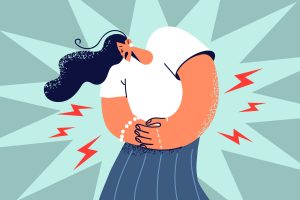
This year’s BAFTA award for Best British Short Film went to ‘This is Endometriosis’.
What might seem like a fringe topic, save for those with uteruses, this marks an extremely positive move forward in the awareness, acknowledgement and treatment of this chronic illness – above and beyond pure statistics.
This film fills a gap in the narrative by offering a glimpse of the real, human messiness of lived reality of this chronic condition.

One approach that often helps people better understand their own and another’s sexuality is to explore the theory of sexy body vs sexy brain. This concept explores the differences in what primarily drives sexual desire and intimacy for individuals.
Understanding and respecting where a partner is at any given time can help avoid mind-reading and assumptions and hopefully lead to a more fulfilling sex life for all involved.

While much of the conversation around menopause tends to focus on physical symptoms like hot flashes, night sweats, and changes in menstruation, few people discuss its profound impact on sexual wellbeing and relationships.
This is where psychosexual therapy comes in, providing vital support for navigating the complexities of menopause and maintaining a fulfilling, intimate life – and we don’t just mean sex!

Navigating intimacy amidst the aftermath of birth trauma requires a delicate balance of patience and understanding. The emotional wounds left behind often influence your ability to connect, even when the desire for closeness remains. Restoring intimacy involves recognising these invisible scars without judgment, embracing the slow process of healing, and redefining the shared experiences of partnership.
True connection after such experiences requires creating a safe space where vulnerability is met with empathy, allowing both partners to feel heard and valued.

Being a highly sensitive person can feel like you have no skin. Like there is no buffer between you and the world.
Do you ever feel like that? If so, this article is dedicated lovingly to you sensitive souls, and your partners who might be scratching their heads trying to understand you.
If you have no idea what I’m talking about, you might understand by the end the blessings and burdens of being a sensitive person in an insensitive world.

The end of a relationship can feel like the end of the world. Nothing will ever be the same again. You and your ex might be embroiled in bitter recriminations or have your sights set on revenge. What good would that do in the long-term, for you and your loved ones?
Conscious Uncoupling is a step-by-step process that guides partners through the pain of a breakup and ensures that they and their loved one come out the other side with “hearts that are healed, happy, healthy and whole”.

The good news is that there are many ways to treat ED, and most people will experience an improvement after starting therapy. Our therapists favour a ‘biopsychosocial’ approach to understanding the causes of erectile dysfunction. This basically means we look at your life as a whole. As well as possible physical causes, we’ll look at any emotional, cultural, cognitive and lifestyle factors, and how these might be contributing to it. In many cases the root cause of erectile dysfunction is psychological, rather than physical.

Working with a therapist in training has many benefits:
– Fresh perspectives
– Lower costs
– Smaller caseloads and greater availability
– Enhanced supervision
– Focus on diversity and inclusion
This blog tells you why you might want to work with a therapist in training rather than with someone who’s qualified and more experienced.

Deciding to start therapy is an exciting and brave thing to do. But it can also feel confusing and daunting initially, especially if you’ve never had therapy before. It can be difficult to picture what therapy is like or how to decide which therapist to work with.
One of our therapists, Zoe Yessaian, clearly remembers what it felt like before she started therapy, and wanted to share some useful starting points to consider and insight into what therapy can be like.

A wedding day is meant to be a time of joy and excitement at the prospect of tying the knot with someone we love and are truly committed to being with for the long haul. However, a wedding day can induce an array of other more negative emotions such as anxiety, stress and worry. Not surprising really given the pressure, demands and expectations we put on ourselves (and sometimes by others) to achieve the perfection of it all going smoothly without any hitches.

Self partnership is about building a life of emotional and social resilience rather than pinning all our hopes on a Mr/Mrs/Mx Right. Self-relationship is the bedrock for our other connections. If we don’t maintain a healthy relationship with ourselves – creating self partnership – then our partners are left to pick up the pieces, and relationships can fall apart.

Relationships naturally move between three positions: harmony, disharmony and repair. Harmony is when you feel connected with each other, disharmony is when you move out of connection, and repair is the process of coming back into connection after the disharmony phase.

Vaginismus is a condition that affects many women and people with vaginas, but is often shrouded in stigma and silence. This involuntary and painful contraction of the muscles around the vaginal opening can make sexual intercourse, gynaecological exams, and even inserting tampons excruciating.

Lu, one of our Associate Psychosexual and Relationship Therapists, is a divorced parent with two kids under ten. In this blog, she takes off her professional hat to share her very personal top tips for divorcing parents to help you navigating the devastating reality of ending your marriage.

At its core, differentiation describes the ability to distinguish and define yourself within your relationship, as separate from your partner. It is about being who you are in the presence of who they are, and not being consumed by their needs and wants.

Anal play and penetration is becoming increasingly enjoyed by all genders and across all relationship styles. Yet many people engaging in anal sex experience pain on penetration. When this pain causes distress over a period of time, it’s known as Anodyspareunia, the most unacknowledged of all the sexual issues.

New Relationship Energy (NRE) is bloody brilliant! It’s intense, thrilling, and the sex is great. But it’s also comes with pitfalls we can’t ignore, no matter how wonderful it feels.

Ferly’s mission is to guide you to pleasurable, confident and healthy sex – pretty much my mission in life too!

Antidepressants certainly have their place as part of a wider treatment plan. But more needs to be done to help people understand the impact of coming off them.

Is it really possible to have fantastic sex with your partner if you’ve been together for a long time?

I love this short TED talk by Emily Nagoski about sustaining a sexual connection: Sustaining sex over a lifetime.

When you find yourself reacting strongly to other people’s personalities or behaviour, ask yourself why. The answer won’t always be obvious; it may well be deep inside your unconscious, an aspect of your shadow self.

Anxiety has been part of my life for as long as I can remember. It’s only recently that I’ve come to accept that it always will be.

I never stopped loving the addicts in my life, even though I hated them at times. I came to realise that it’s ok to love the person and hate the addict.

It would be reasonable to say that I’ve had my fair share of relationships. So what have I learnt?