
Endometriosis wins a BAFTA!
This year’s BAFTA award for Best British Short Film went to ‘This is Endometriosis’.
What might seem like a fringe topic, save for those with uteruses, this marks an extremely positive move forward in the awareness, acknowledgement and treatment of this chronic illness – above and beyond pure statistics.
Hold on, what exactly is endometriosis?
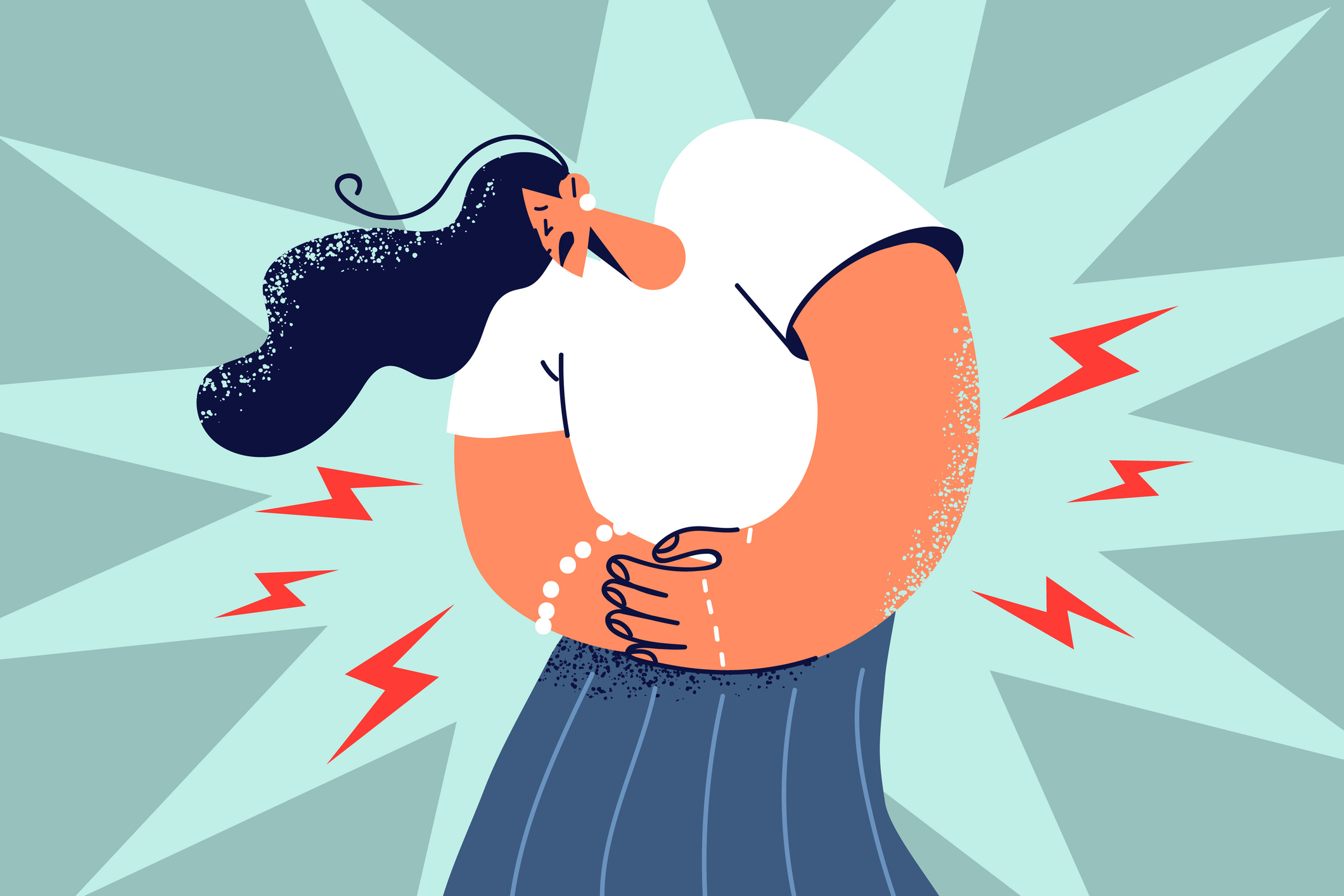
Endometriosis is a chronic, often progressive, inflammatory disease where tissue similar to the lining of the uterus grows outside it, typically causing severe pelvic pain, infertility, and systemic issues. It can grow anywhere in the body, at any time, although most often it is found in the pelvis. Symptoms include debilitating pelvic pain, painful & heavy periods, pain during or after sex, pain when using the loo, difficulty getting pregnant and severe fatigue.
‘Chronic’ in this case refers to a long-term condition requiring ongoing management, as there is currently no known cure.
Endometriosis affects one in ten people born with a uterus (now estimated 1 in 5).
It takes an average of 10 years to be diagnosed.
Approximately 190 million people have the disease.
These numbers are staggering and yet statistics alone rarely move culture, stories do.
From Statistics to Being Seen
Seeing ‘This is Endometriosis’ win a BAFTA shows that conversation is moving in the right direction – above & beyond the stats. This film fills a gap in the narrative by offering a glimpse of the real, human messiness & lived reality to this chronic condition.
Medical gaslighting & mismanagement are rife.
And when we keep ill health to ourselves, it only creates even further loneliness.
As in the film:
“Endo is a disease where you are greatly disbelieved.
Being seen is so crucial.”
To be seen is not a small thing. It is regulating and validating. It can be the beginning of healing, even when the illness itself remains.
Living With Endometriosis: The Role of Psychosexual Therapy
Of course, no therapy can ‘cure’ chronic illness. But therapy can play a powerful role in supporting its management.
With endometriosis, people are often navigating:
- Chronic, cyclical or unpredictable pain
- A complicated relationship with their body
- Fear around fertility
- Changes in identity
- Pain during or after sex
- Strain within intimate relationships
- Medical trauma or dismissal
Living with lifelong pain that has often been minimised by medical professionals can leave deep psychological marks. Having a therapeutic space to express frustration, grief, rage and anger can itself reduce the emotional burden of the condition.
Psychosexual therapy, in particular, offers room to gently explore:
- How pain has impacted desire, arousal and intimacy
- Fear-avoidance cycles around penetrative sex
- Shame connected to bodily function
- Communication with partners
- Reclaiming pleasure on one’s own terms
It is not the responsibility of those with endometriosis to educate the world about their condition. And yet, when someone chooses to speak about their experience, whether in a BAFTA-winning film or in the privacy of a therapy room, something shifts: silence loosens and isolation softens.
Therapy cannot remove lesions. But it can help restore agency. It cannot erase pain. But it can help metabolise the meaning of it.
And sometimes, being believed is the first step towards rebuilding trust in your own body.
If you have 19 minutes today, please give This Is Endometriosis a watch.
It is honest, uncomfortable, moving — and, above all, deeply human.
This article was written by Ally Waring, one of our Trainee Psychosexual and Relationship Therapists.
She works with the ‘whole of you’, using flexible and creative approaches to gently untangle whatever you bring, with warmth, openness, and clarity.
She offers therapy online and in person in North London.
Online sessions with Ally start at £35 for individuals and £55 for couples.
